EDO CASTLE NINOMARU GARDEN
A historic garden associated with the Tokugawa shogunate, surviving to the present day.


OVERVIEW
The Ninomaru Garden, located within the East Gardens of the Imperial Palace in Chiyoda, Tokyo, originated as a garden established within the Ninomaru precinct of Edo Castle.
During the Edo period, it was developed together with the Tokugawa shogunate's palace buildings and is traditionally attributed to the garden designer Kobori Enshū.
After the Ninomaru Palace was destroyed by fire toward the end of the Edo period, the garden gradually fell into decline. However, the pond remained, and its existence can be confirmed through maps from the Meiji, Taishō, and early Shōwa periods as well as postwar aerial photographs.
The present garden was restored in 1968 based on illustrated plans of the Edo-period garden, creating a stroll-style pond garden. Its pond remains in almost the same location as the pond of the Edo-period garden.
HISTORY
Edo Castle's Ninomaru was a precinct adjacent to the Honmaru, where palace buildings associated with the shogun's wife and household were located. To the east of the Ninomaru Palace stretched a garden centered around ponds, and its construction is traditionally said to have involved Kobori Enshū.
Around the first year of Man'en (1860), toward the end of the Edo period, the major palace buildings including the Ninomaru Palace were still standing, and the garden was maintained as a landscape to be viewed from the palace.
The Ninomaru Palace was destroyed by fire in the third year of Keiō (1867). From the Meiji period onward, the garden gradually fell into decline, although the pond remained. Its transformation can be traced through sources such as the “Ninomaru Pond Plan” from 1871, maps from the Meiji, Taishō, and early Shōwa periods, and postwar aerial photographs.
The present Ninomaru Garden was restored in 1968 as part of the development of the East Gardens of the Imperial Palace. Based on illustrated plans of the Edo-period garden, it was recreated as a stroll-style pond garden. The present Ninomaru Pond is also located almost exactly where the pond of the Edo-period garden once stood.
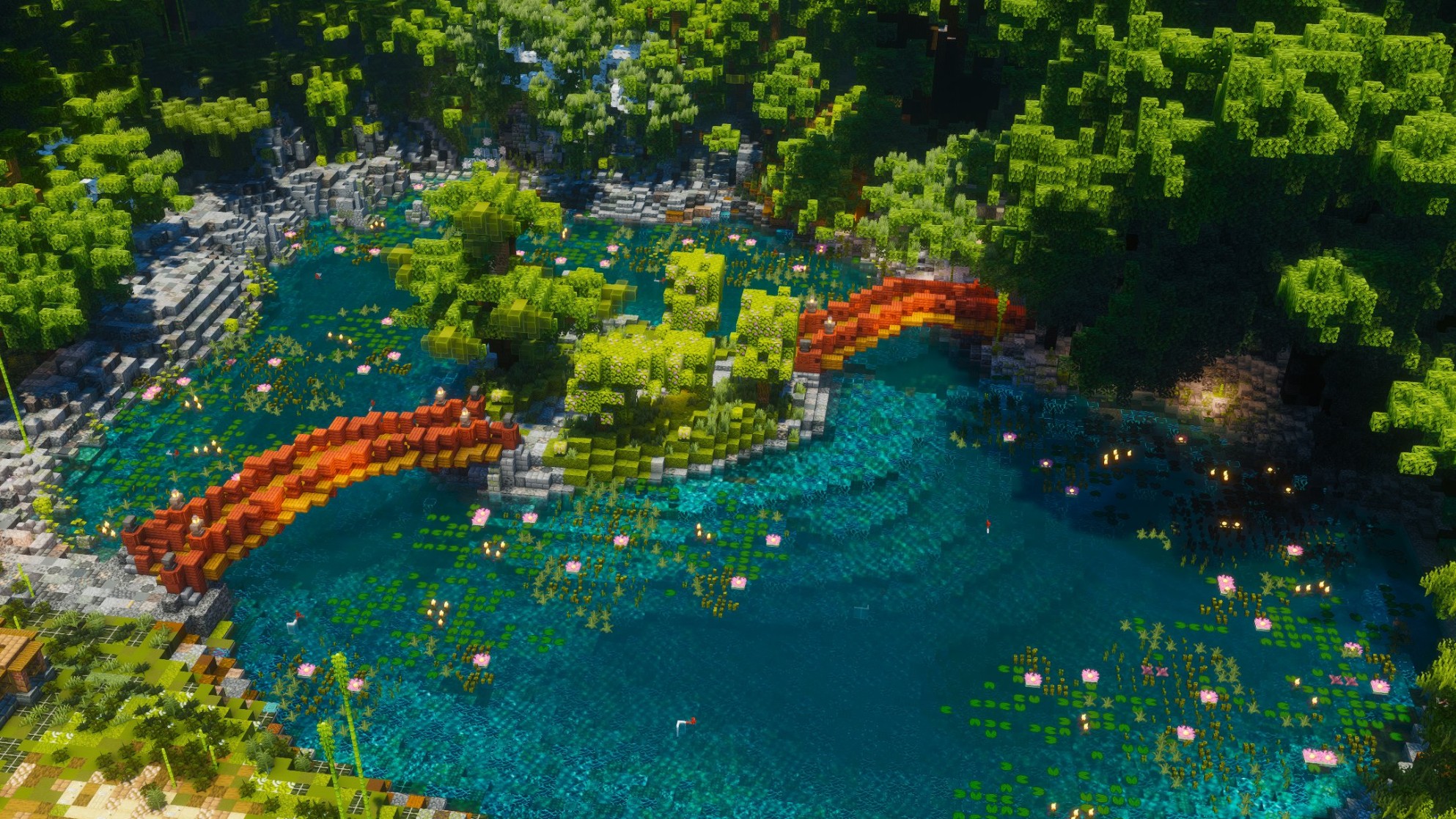
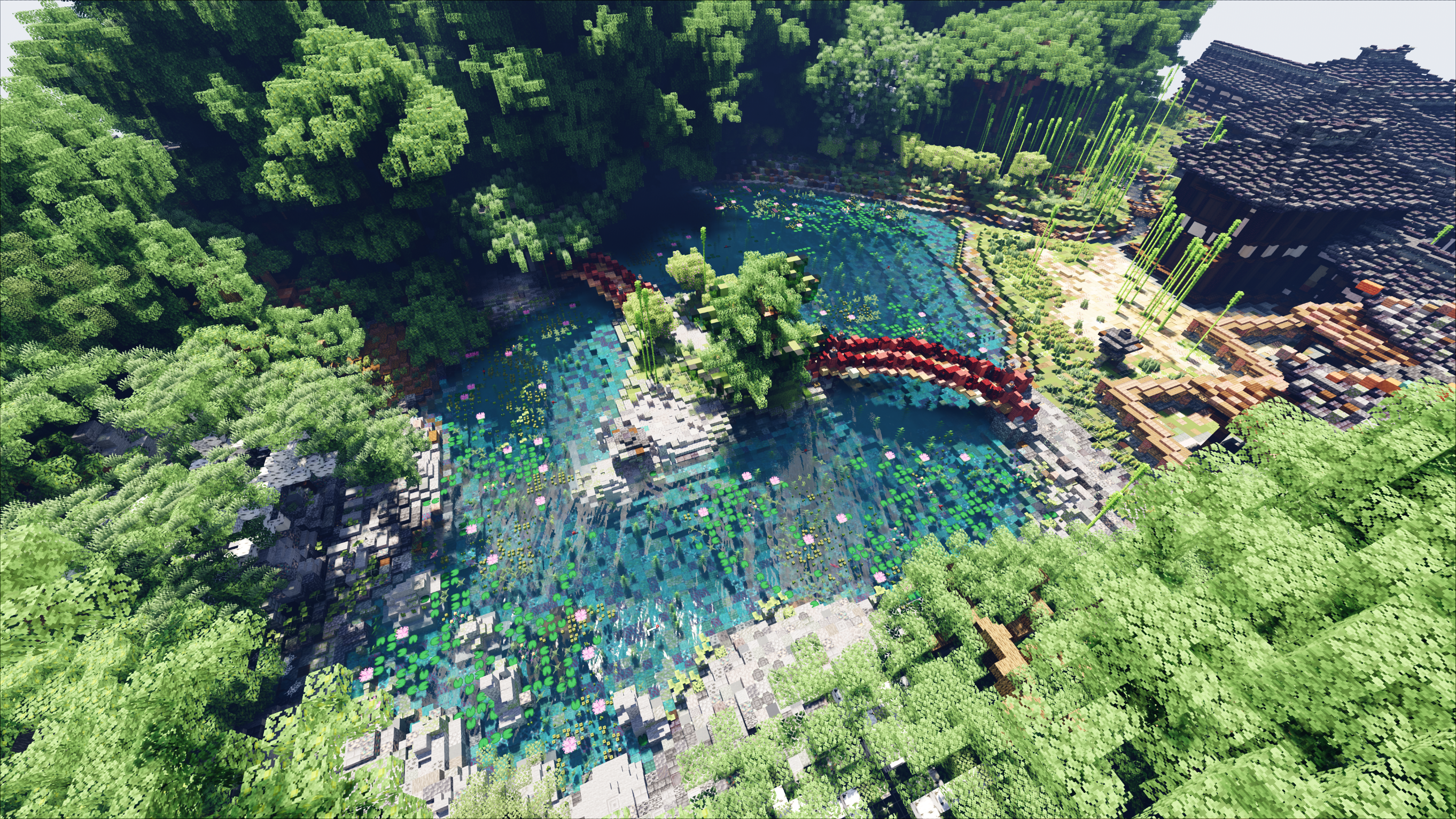
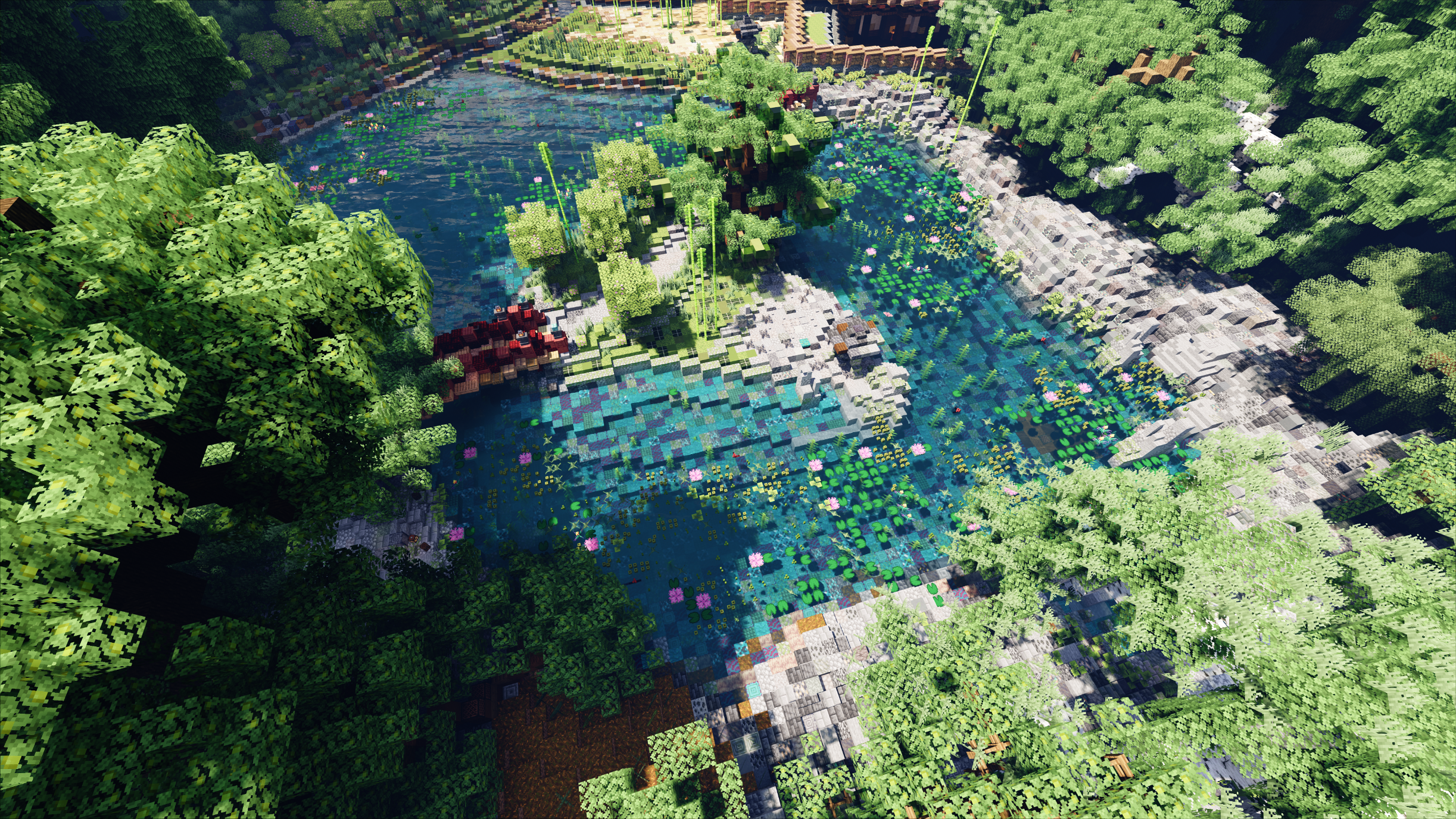
For this work, I based the reconstruction primarily on the Ninomaru Garden of the late Edo period, using surviving terrain, photographs, and historical materials to trace the garden's changes over time. For this reason, I also referred to the bridges and landscape features that remain in the present Ninomaru Garden.
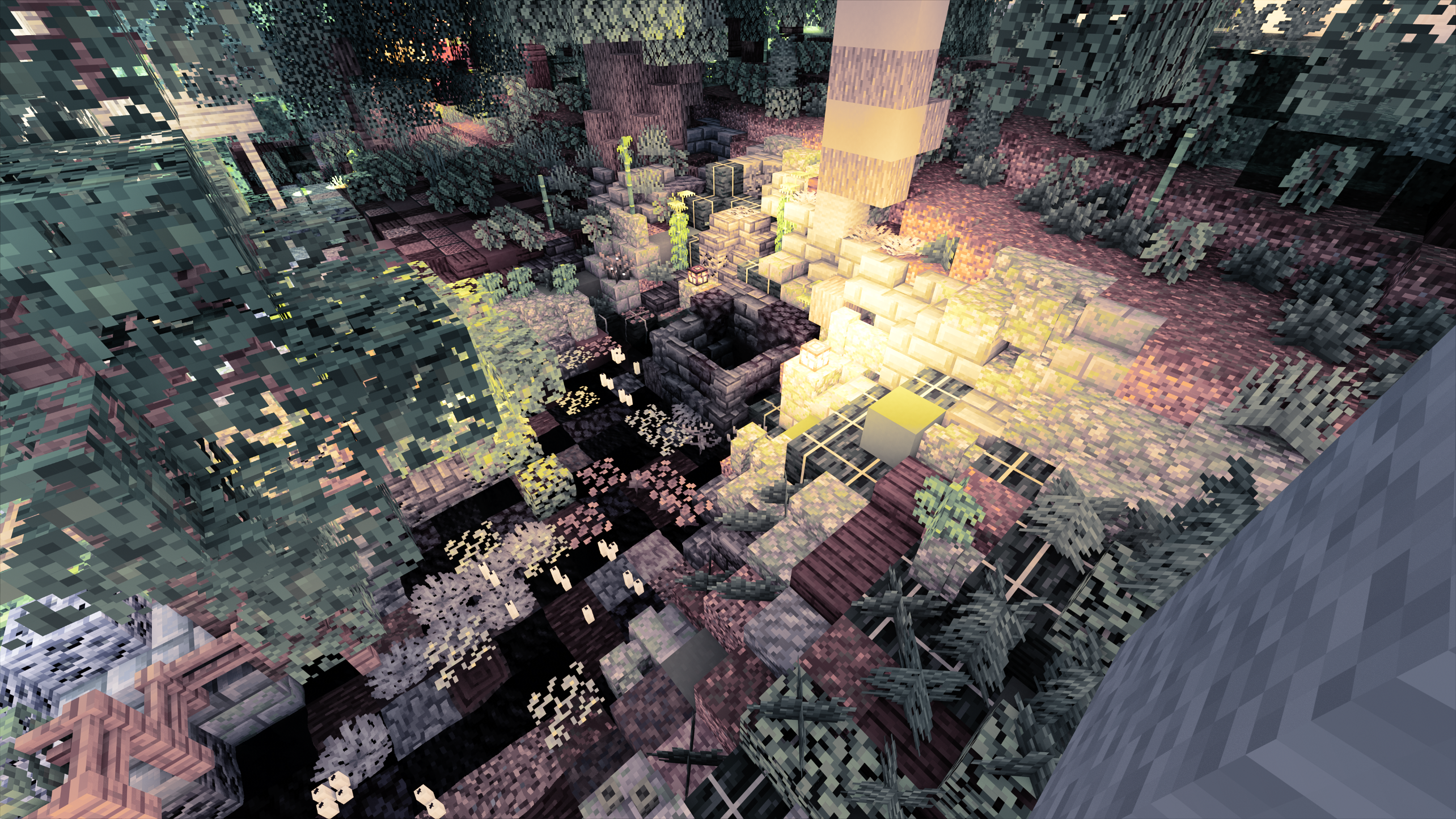
In addition, I recreated distinctive features within the Ninomaru precinct, including the artificial hill near the Ninomaru East Three-Story Turret and a well known for its characteristic milky-white bottom.
GALLERY