EDO CASTLE
A colossal castle and the seat of the Tokugawa shogunate.

OVERVIEW
Edo Castle, built in what is now Chiyoda, Tokyo, was one of the largest castles of early modern Japan and served as the political and military center from which the Tokugawa shogunate governed the country.
Throughout the Edo period, it supported the development of Edo, the largest castle town in Japan.
After the establishment of the Edo shogunate in 1603, Tokugawa Ieyasu led large-scale expansion and development, and the magnificent castle was completed through nationwide construction projects known as tenka-bushin.
With vast grounds and magnificent structures including a five-story Main Tower, Edo Castle became known as the greatest castle in Japanese history, both in name and in reality.
265 years after the construction projects of the Keicho period, Edo Castle became the Imperial Castle. Edo, the castle town surrounding it, was renamed Tokyo and became the capital of Japan, and continued its remarkable development for roughly another 150 years to the present day.
HISTORY
Edo Castle was the seat of the Tokugawa shogunate and the largest castle in Japan. It is also one of the Japanese landmarks I have a particular admiration for.
After Tokugawa Ieyasu established the Edo shogunate in 1603, Japan was governed from here for approximately 260 years.
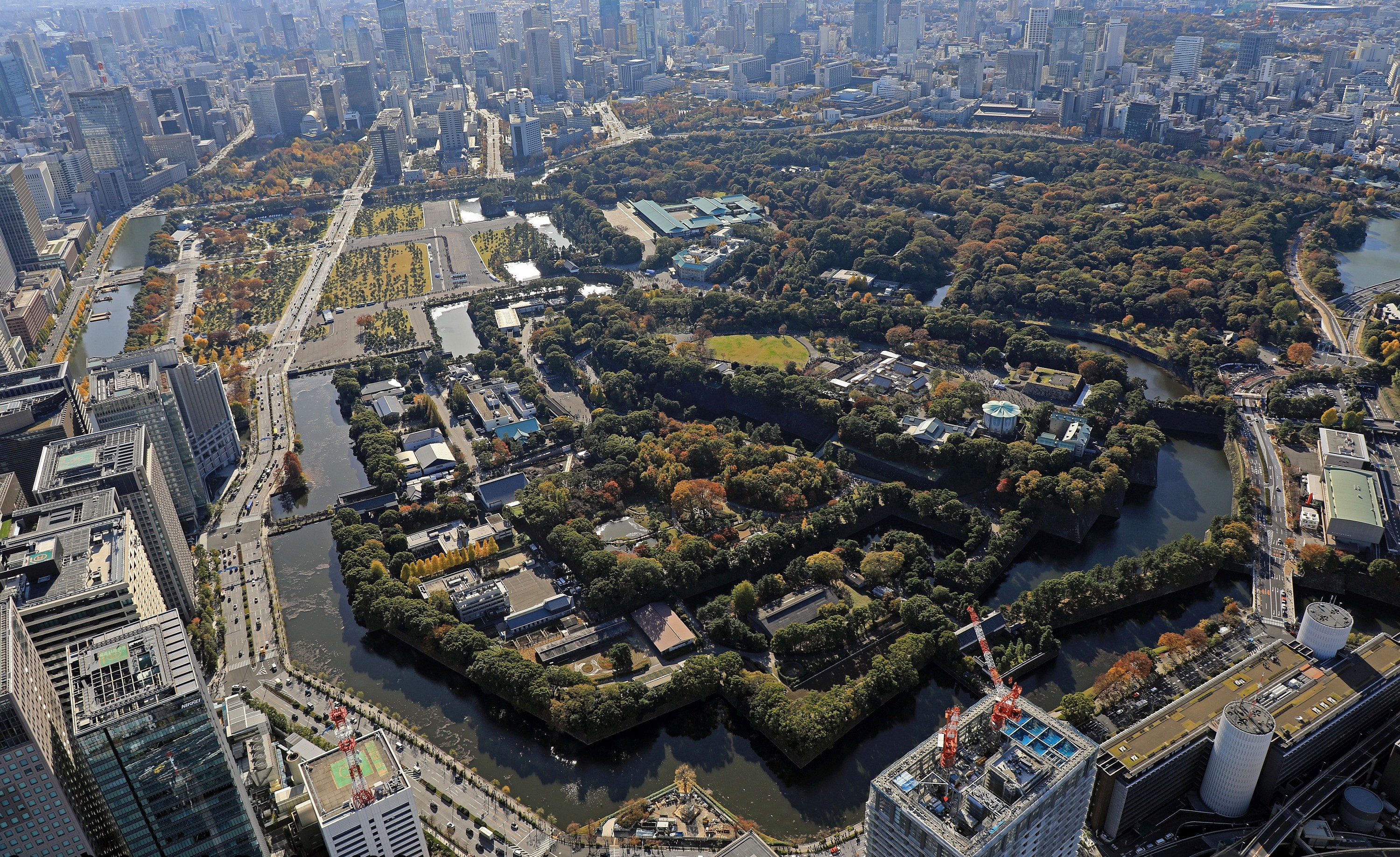
The history of Edo Castle goes back to a castle originally built in the Muromachi period by a warrior named Ota Dokan. After Tokugawa Ieyasu entered Edo, large-scale expansion began, transforming the site into a vast political city where feudal lords and people from across Japan gathered. Even today, many government ministries and institutions are concentrated in Chiyoda, Tokyo, on the site of the former Edo Castle. Numerous remains, including stone walls, turrets, gates, and moats, also survive, making the site an essential place for understanding Japanese history more than 400 years after the castle's construction.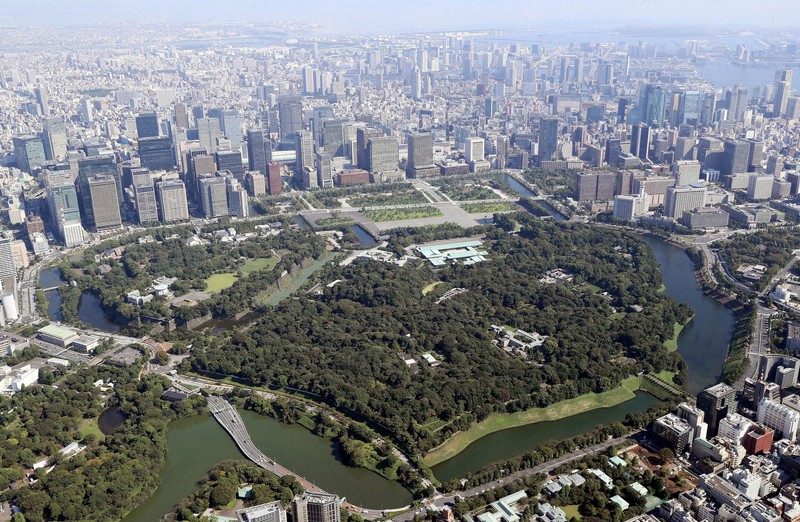
The defining characteristic of Edo Castle was its enormous scale, extending far beyond what would normally be considered a single castle.
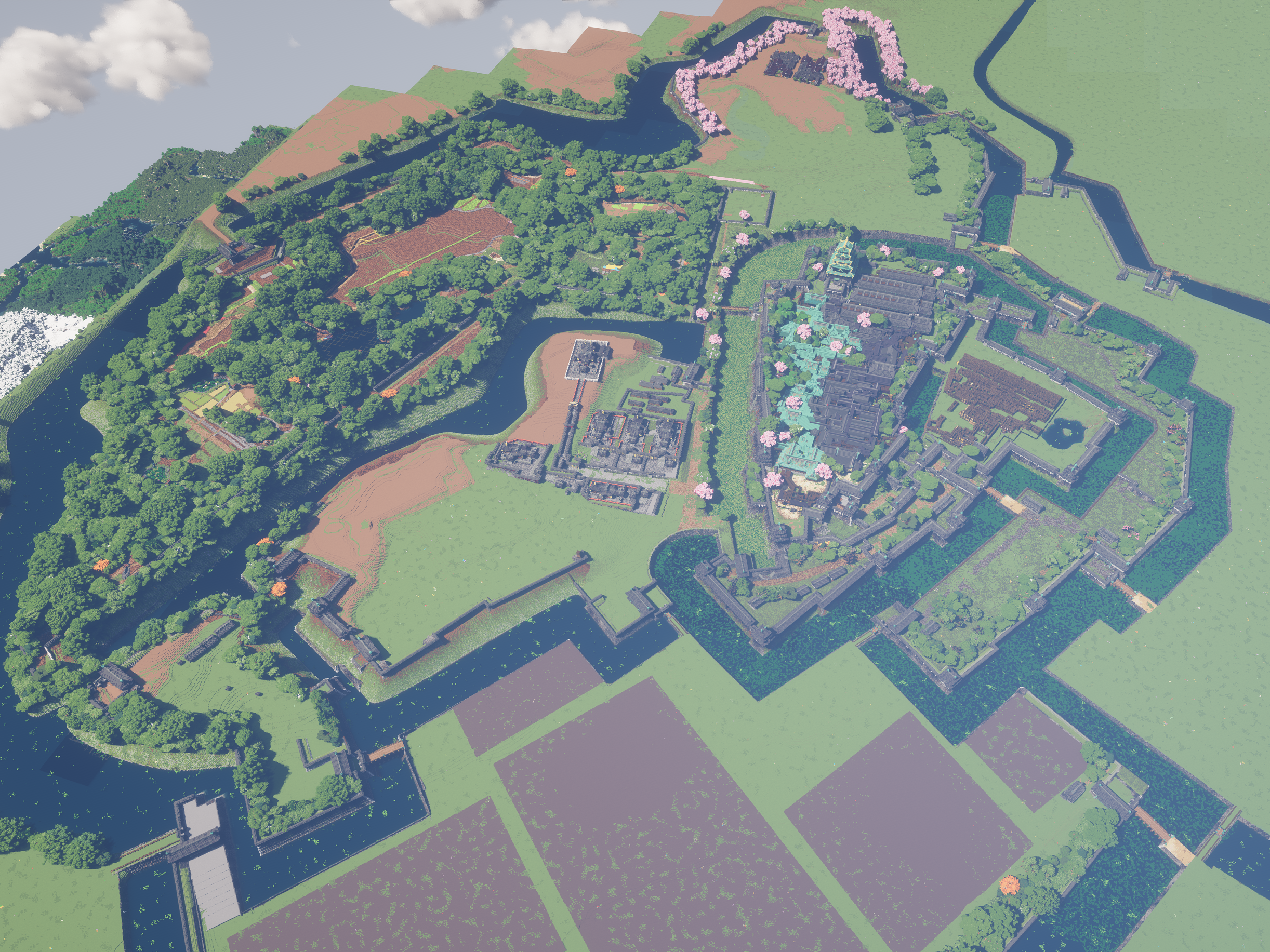
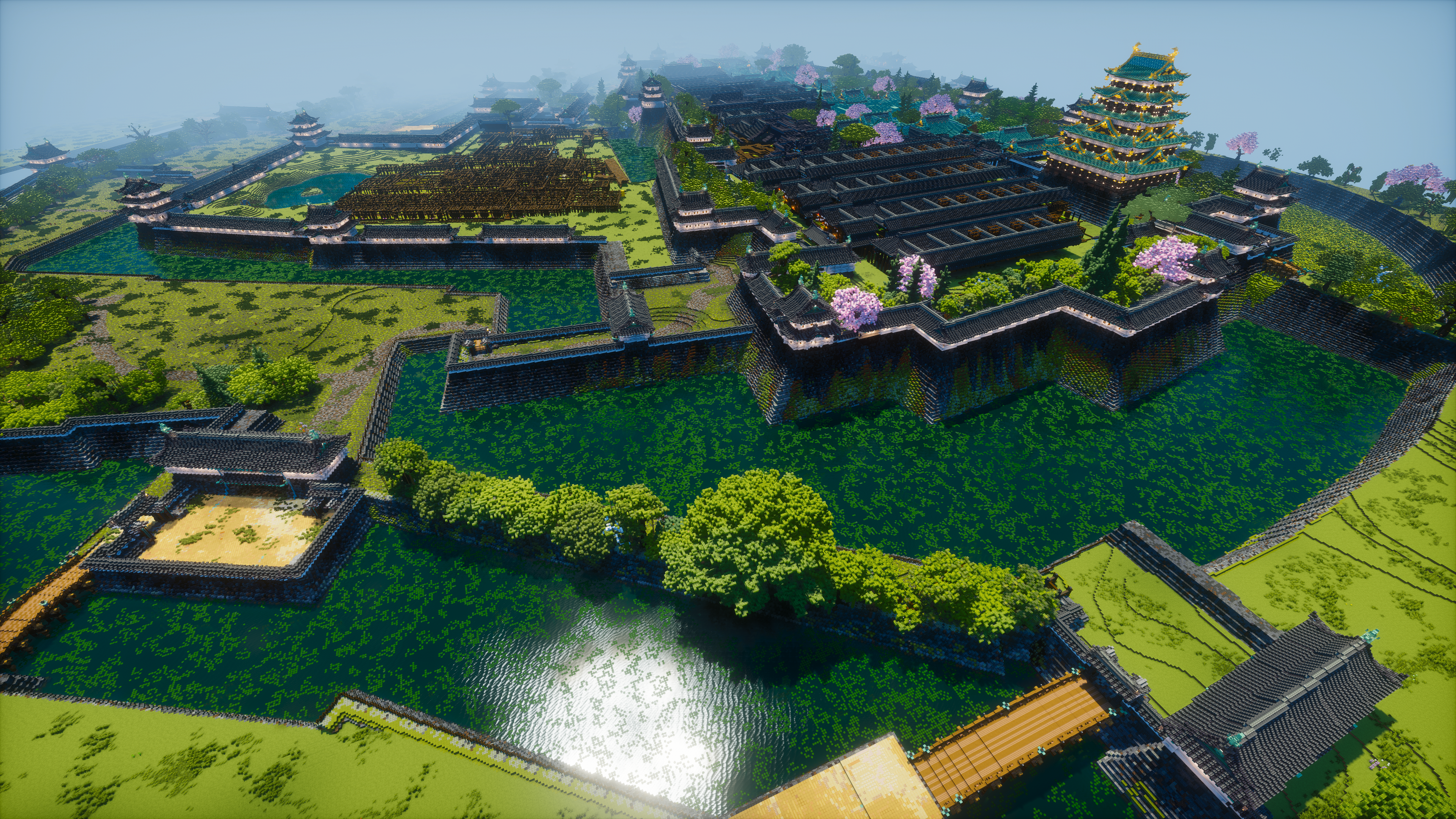
In addition to the castle's inner compounds—including the Honmaru, Ninomaru, Sannomaru, Nishinomaru, Kitanomaru, Fukiage Gardens, and Nishinomaru-shita—the areas enclosed by the outer moats were also incorporated into the castle's overall plan. These areas stretched from Asakusa, Ochanomizu, Iidabashi, Ichigaya, Yotsuya, Akasaka-mitsuke, Tameike-sanno, Toranomon, Shimbashi, Hibiya, and Otemachi, encompassing the estates of feudal lords and the neighborhoods of townspeople, forming a vast metropolis with a total extent of approximately 16 kilometers.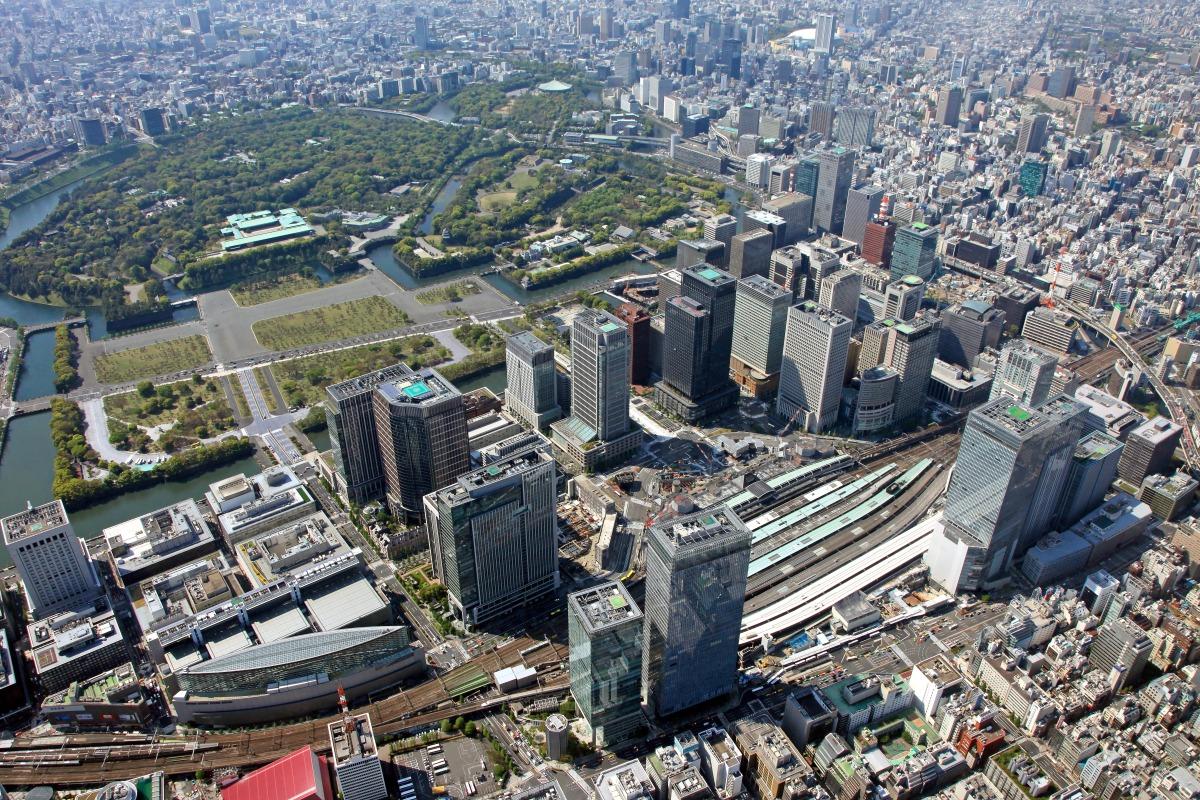
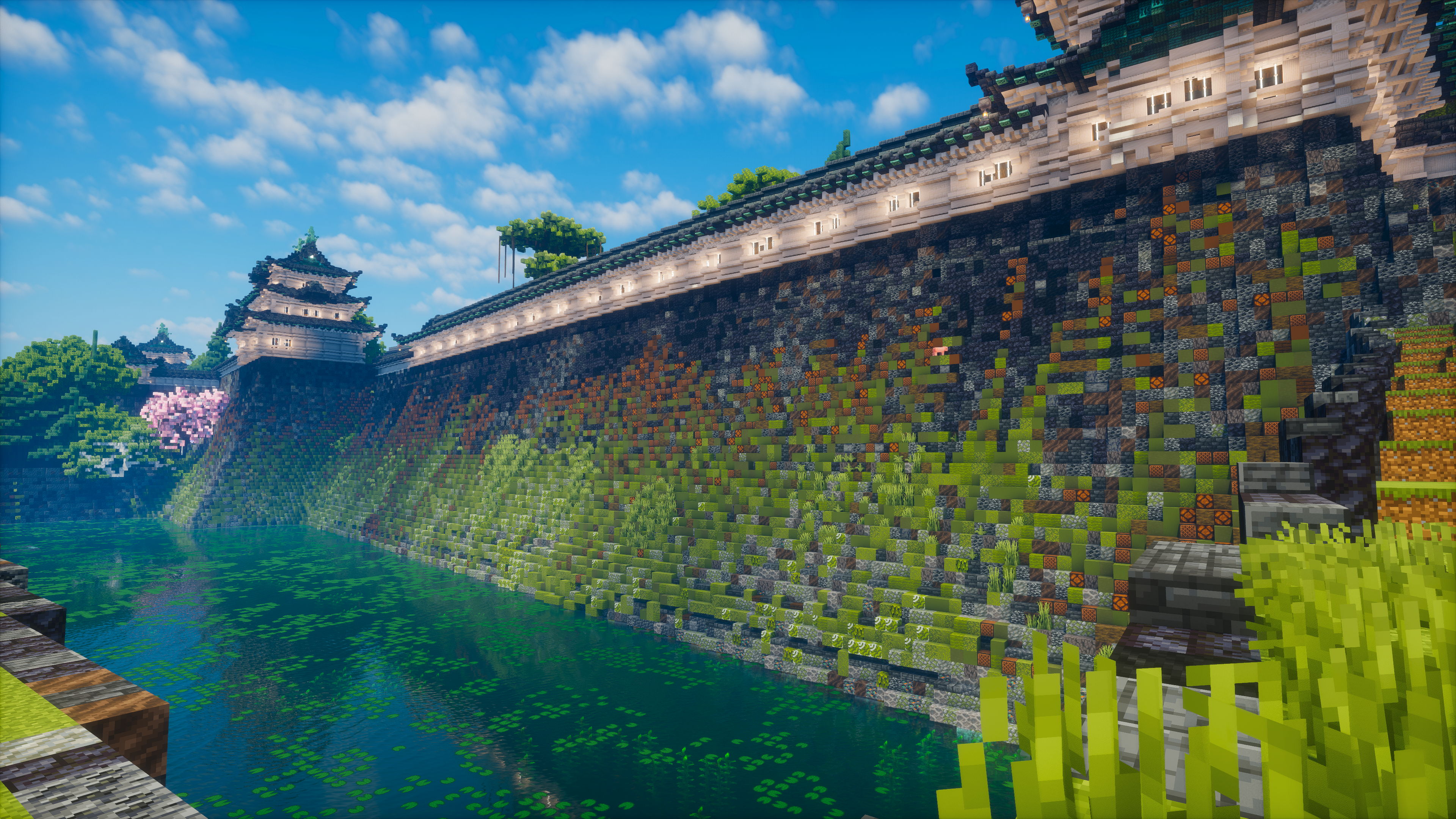
What was this enormous Edo Castle really like, and what kind of scenery could once be seen here? Exploring those questions is the central theme of my Edo Castle project. This work is primarily based on Edo Castle as it existed around the Man'en era at the end of the Edo period, from approximately 1860 to 1862. It includes the Honmaru, Ninomaru, and Sannomaru areas corresponding to today's East Gardens of the Imperial Palace, as well as the wider area extending from the castle's inner compounds toward Edo Bay, the Sumida River, and the outer moats. Rather than recreating Edo Castle as an isolated castle, I aim to portray the entire landscape as one vast historical environment, including the surrounding neighborhoods, feudal lord residences, highways, waterways, and other spaces that once spread throughout Edo. Even while the project is still under construction, it has been featured by news sites in Japan and abroad and has received a strong response on social media, including more than 20,000 likes and other positive reactions.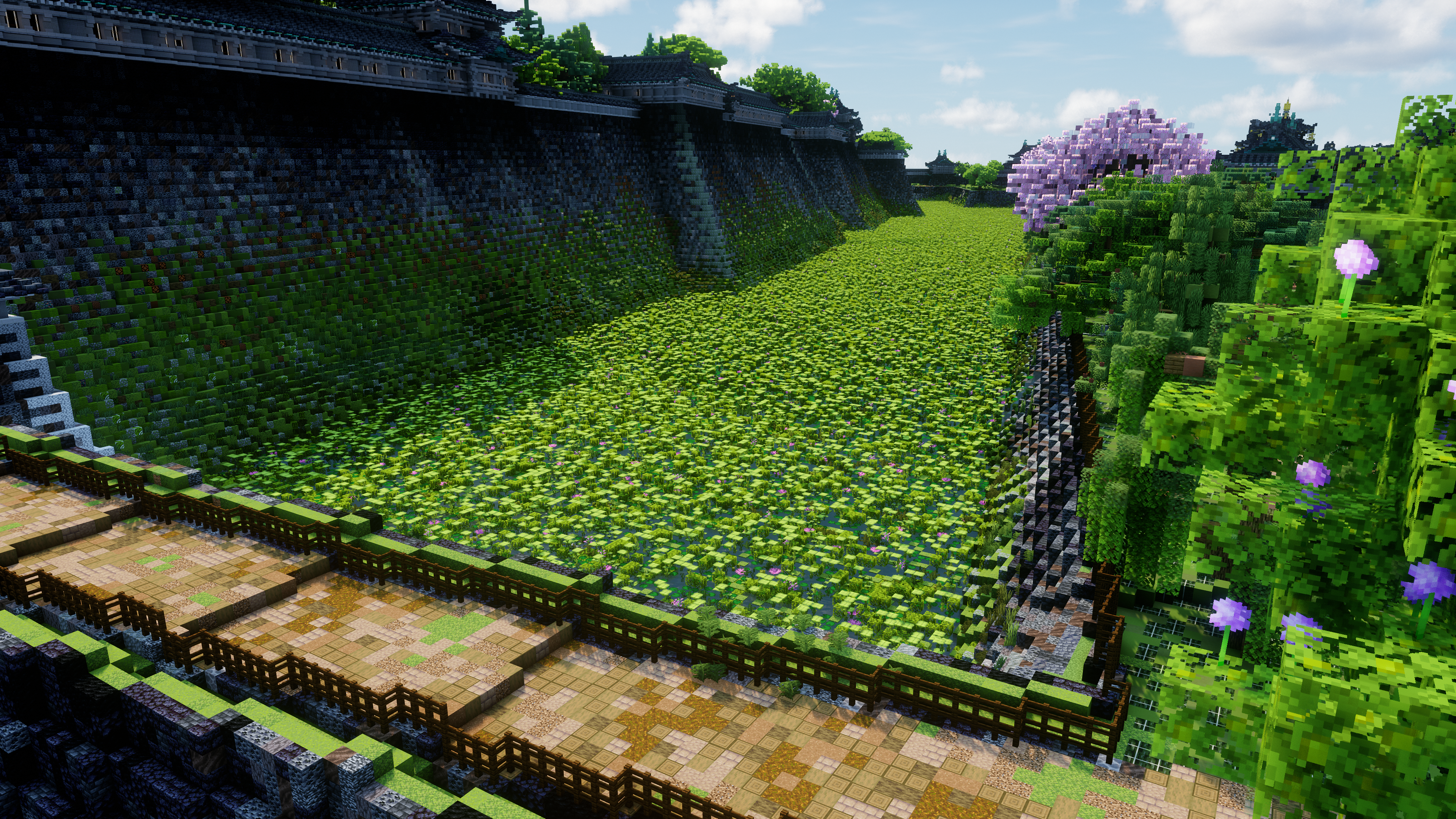
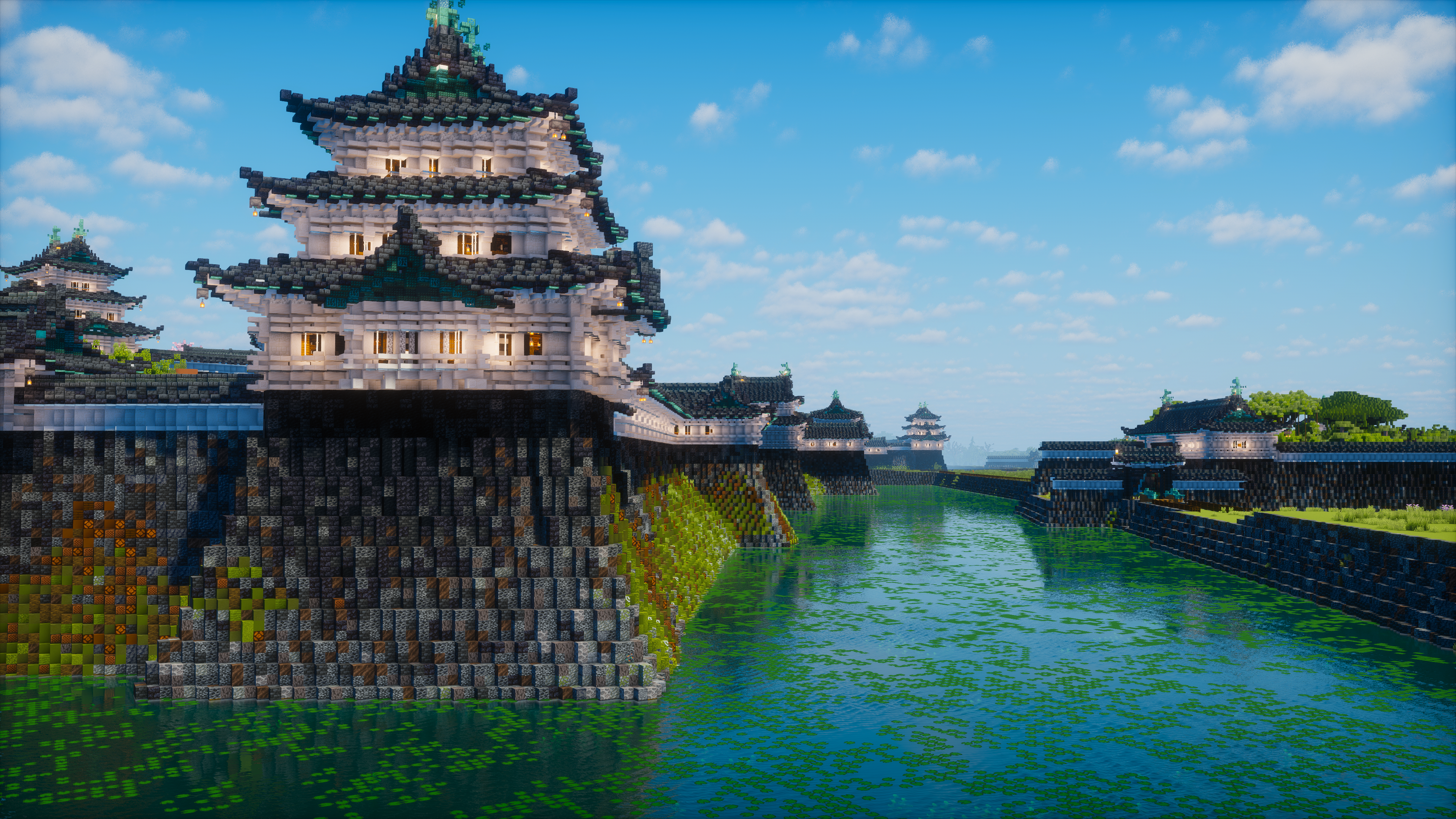
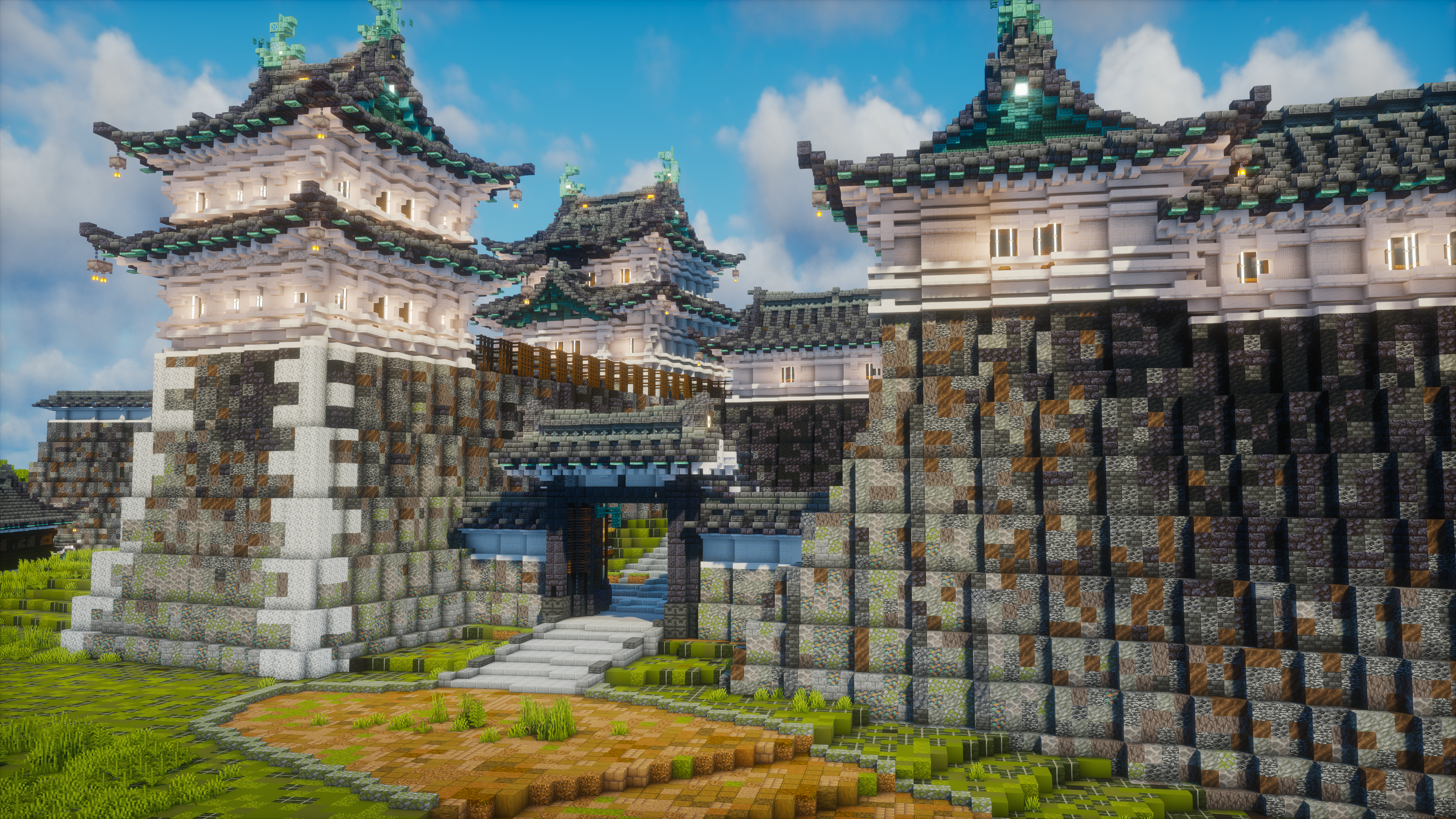
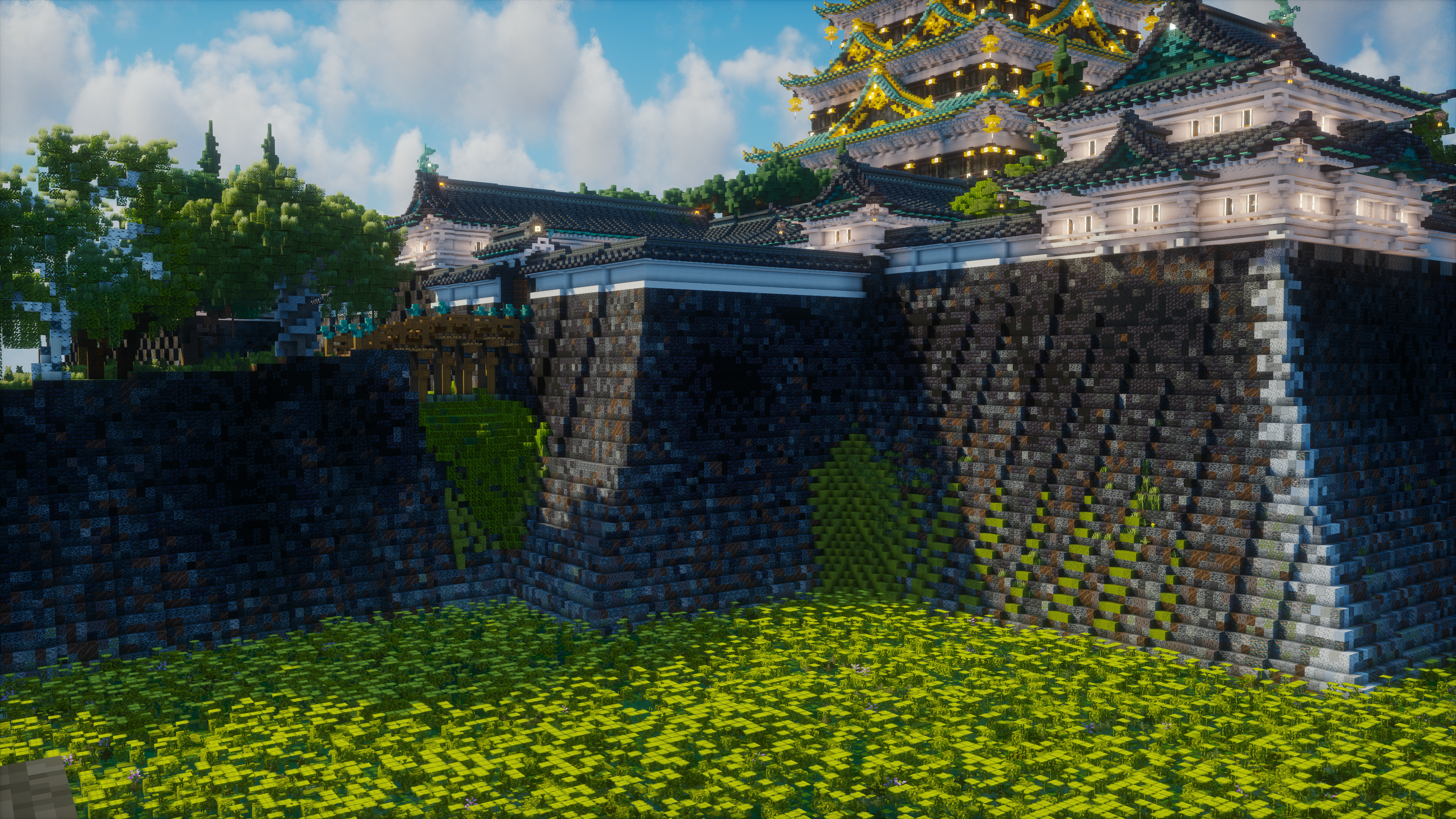
For this project, I conduct historical research and reconstruction based on a wide range of sources, including photographs from the late Edo and Meiji periods, historical maps, illustrated plans, archaeological findings, and on-site research. Every building is also recreated with its interior, including not only turrets and gates but also palace buildings, guardhouses, multi-story wall turrets, bridges, stone walls, gardens, and surrounding townscapes. For the lost Main Tower, I work from the concept of "what if it had survived into the present day," recreating its internal structure, beams, and roof framework as accurately as possible while seeking to balance historical research with creative spatial expression. By reconstructing Edo Castle as accurately as possible, I am carrying out a tenka-bushin project in the spirit of the Tokugawa family who built it and their founder, Tokugawa Ieyasu.
Edo Castle once had the largest Main Tower in Japan. Three major versions existed: the Keicho-period tower under Ieyasu, the Genna-period tower under Hidetada, and the Kan'ei-period tower under Iemitsu.
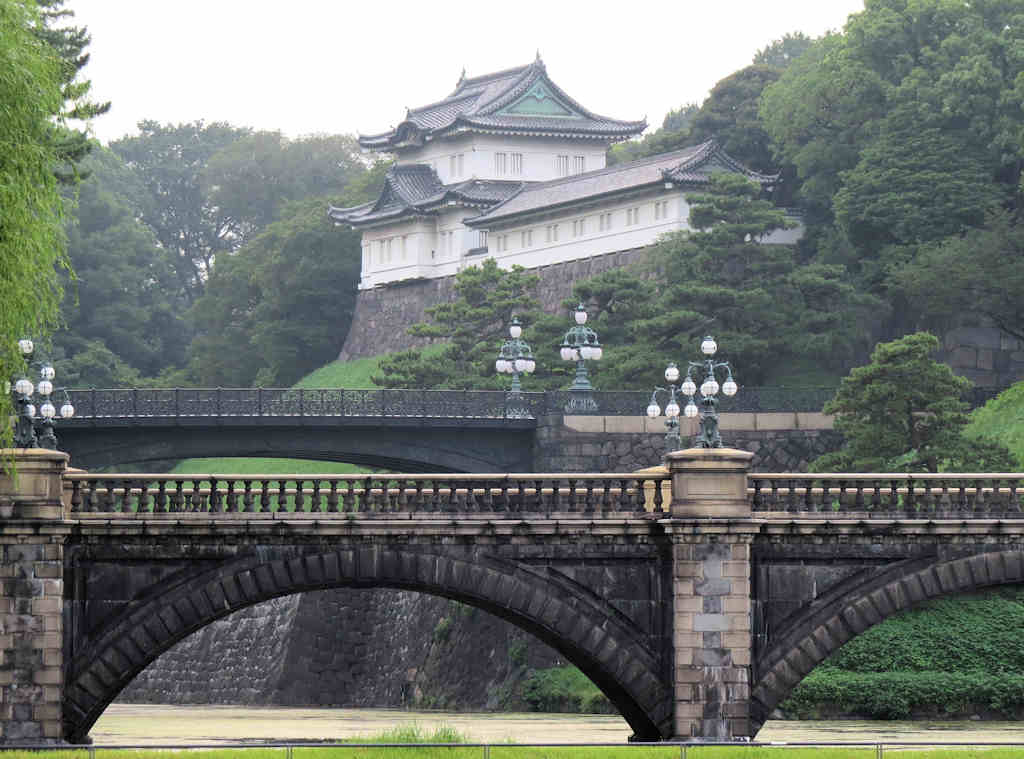
Completed in 1638 during the Kan'ei era, the Kan'ei Main Tower was an imposing five-story, six-level structure with one basement level and is said to have reached approximately 58 meters in height. However, it was destroyed in the Great Fire of Meireki in 1657. Because the shogunate prioritized rebuilding the city over reconstructing the Main Tower, it was never rebuilt. For approximately the next 200 years, Fujimi Yagura effectively served as the castle's principal high-rise structure in the role once associated with the Main Tower. Today, surviving and restored structures such as Fujimi Yagura, Fushimi Yagura, and Sakurada Tatsumi Yagura, together with the extensive stone walls, continue to convey the grandeur of Edo Castle.
GALLERY